I am a very “interested” person – I am interested in (what seems like) everything! I am super curious, and I love learning new things and skills. I’m also a bit competitive, so if I see someone doing something, then I probably want to try to do it too – and then be better than them! Whilst this keeps my life varied and exciting, it also means that I have a tendency to try to do everything, and spread myself too thinly.
So, following on from my last post, where I concluded it was good to work on my skills, rather than judge them, I decided to create a game plan and to work on some specific skills, instead of trying (and failing) to improve at everything at once. And today, I’m going to outline how I did this, so you can try it too!
Game Plan
Step one is to pick a time period during which you will focus on these skills. I set myself around a month – until the 25th May. By setting a time restriction, whenever I think “oh, I’d love to take up XYZ”, I can remind myself that I can take up XYZ soon – after the 25th May.
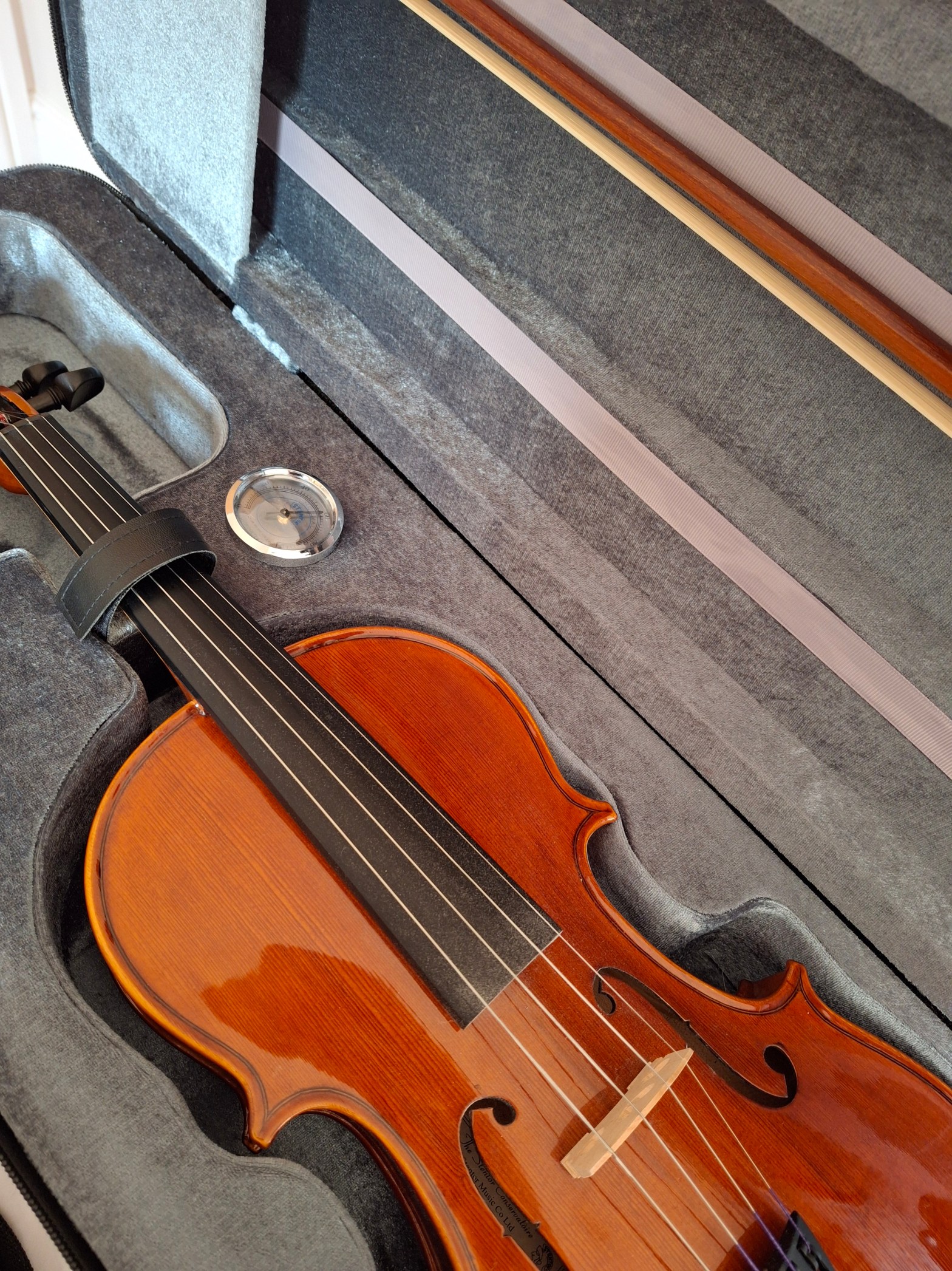
Step two is pick your skills. I chose singing, pointe work, and violin. I am a beginner in violin, I have some experience in pointe work, and I am advanced at singing. By choosing a range of activities at different skill levels, it hopefully means I can always feel like I am making progress in at least one of them. It is easiest to see my progress with violin, because I am a beginner, but it can also be discouraging to know that there is so far to go, so also being able to work on activities that I am somewhat skilled at boosts my self-confidence.
Step three was to write out a list of the other skills that I have, or am interested in working on, and sorted them into these categories (this might actually be a good idea to do before step two!). Any skills not chosen as your three focuses can be practiced, but only on “maintenance mode”. This is the bare minimum that you need to do to not go backwards in this skill. The skills that I have no experience in at all cannot be touched (until after 25th May).
Step four is to plan how you are going to practice your skills! Find any resources you might need, and set a goal. I am aiming to complete a free YouTube violin course and learn a violin piece, to have 10 polished rep songs, and to film a basic pointe variation. I have also tried to decide on times when I can work towards some of these goals. Admittedly, so far I haven’t done very well at sticking to my practice times, but at least I am carving out some time for them – which I think would be less likely if they had just stayed on my mental-list-of-things-I’d-like-to-work-on-at-some-point-in-the-future. This is also proof that I was right to limit myself to three activities – if I can’t even work on three, there is no way I could focus on 15 (or however many are on my list).
Step five is to do the practice (which is what I am currently struggling with)!
And then finally, step six: when the month (or however long you decided to set your time period for) is up, look over your list of activities and decide – do you want to swap any out?
Then repeat this system!
Concluding thoughts
I hope this has helped you, if, like me, you are a multi-passionate person who wants to learn EVERYTHING! I’m enjoying getting to work on my skills (when I do get round to practicing), and I will update you as to how they progress. In the meantime, I hope you enjoy working on your skills!

 Millie Double